
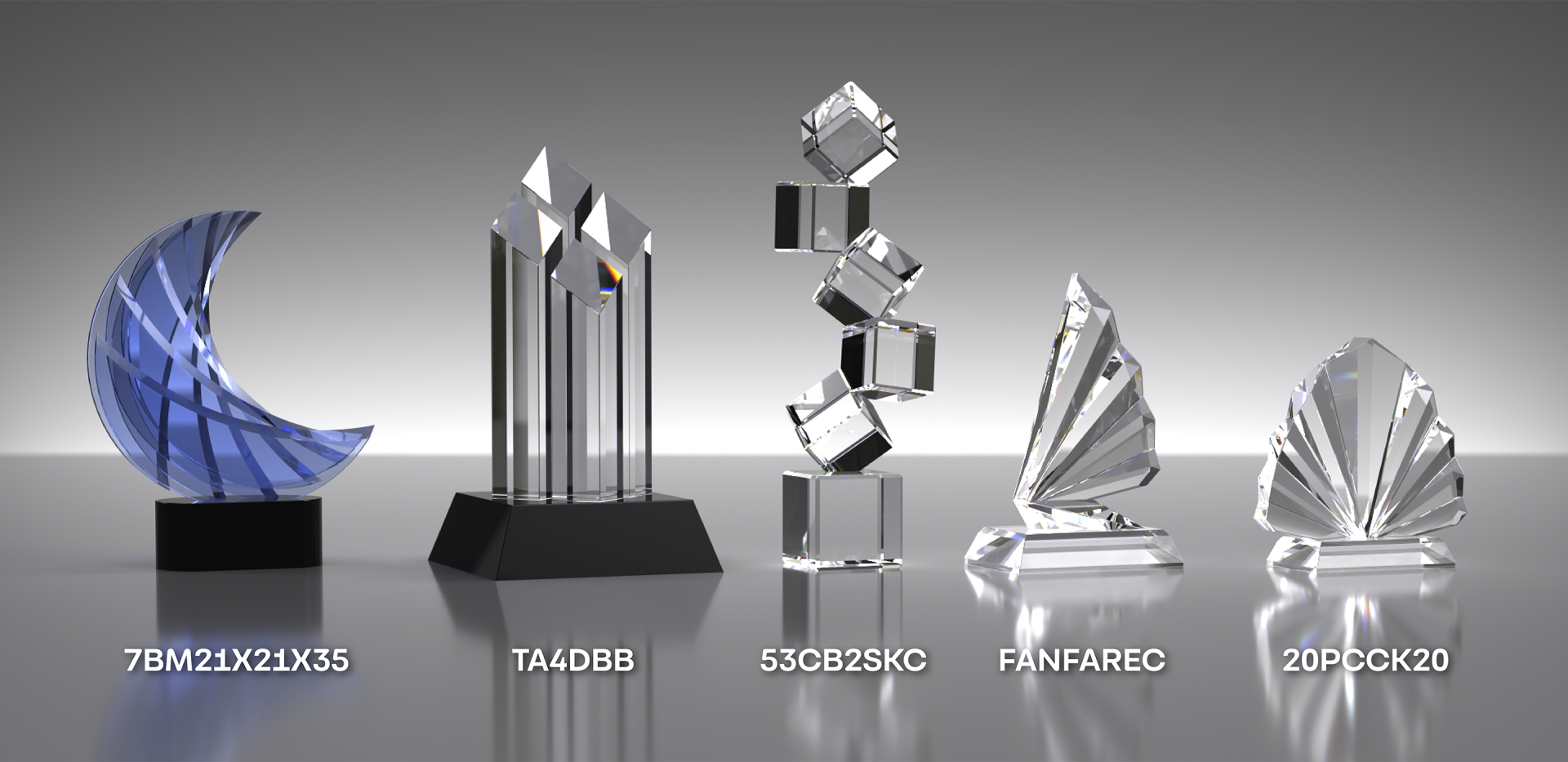
Today’s business world is very competitive. For businesses to be successful, motivation for employees must come from more than just salary and benefits. The most successful businesses realize that when employees feel valued, they tend to perform better than employees who do not feel valued. Employee awards and trophies are very effective ways to recognize employee accomplishments and reward them for their positive behaviors and contributions to an organization. These awards are more than just pieces of glass; they represent tangible evidence of an employee’s contribution, commitment, and excellence.
When companies establish recognition awards and trophies correctly, these awards become strong sources of employee engagement. Employee awards and trophies inspire individual employee motivation, build a strong sense of teamwork, and allow for day-to-day work to match well with the long-term vision of a company.
Understanding the psychological impact of recognition
Employees want to feel valued by their employers. Their perceptions of their jobs and their identities as professionals are influenced by the way employers recognize them.
Validation and emotional connection
Employers provide employees with awards and trophies as proof of their contributions. This public recognition provides validation and increases the employee’s emotional attachment to the business. A strong relationship with an employer is essential to employees staying motivated in the long term.
Motivation through visibility
An award provides public recognition for an employee’s accomplishments. A trophy on a desk or a plaque on a wall serves as a reminder of that accomplishment every day. This allows the employee to take pride in the work they do and motivates other employees to seek similar recognition. Trophies and awards give people a way to visually transform accomplishments into something they aspire to be.
Reinforcing purpose
Rewards and the purpose of a company are visible through their separation. Giving out an award that recognizes an individual contribution to the company’s values (for example, innovation, value and dignity of leadership, value, respect for customers) provides a means for employees to see how they fit into the larger organizational picture.
Corporate trophies and awards as strategic tools
Recognition should be intentional. Awards and trophies can serve as tools to direct a company’s performance and its behavior if they are linked to each company’s strategic plan.
Driving desired behaviors
Organizations can use awards and trophies to reinforce specific behaviors or actions, whether it be teamwork, customer-friendly practices, safe workplace practices, or innovation. Engagement in a clearly defined award category reminds employees to commit themselves to company goals.
Supporting performance management
Performance reviews measure performance against established expectations; awards and trophies commemorate exceptional performance. Together, these components facilitate a much more balanced workplace that considers both excellence and consistency when determining performance levels.
Strengthening accountability
The use of clearly defined criteria to determine eligibility for an award holds employees accountable. By establishing expectations, all employees have a clear understanding of what is expected so that they may be recognized fairly and objectively by their manager or supervisor.
Types of corporate trophies and awards that motivate employees
Although all recognize employees’ contributions to the organization, not all forms are the same and have their own motivations and purposes within a fully developed recognition program.
Physical trophies and plaques
Physical corporate trophies and awards carry lasting emotional value. Engraved trophies, crystal awards, and plaques symbolize achievement and create a permanent reminder of success. These awards are especially effective for milestone accomplishments and leadership recognition.
Customized and personalized awards
Personalization increases emotional impact. Adding the names, accomplishments, and dates of recognition to a generic trophy, it becomes much more than just a trophy; it becomes a treasured moment. When companies award custom corporate trophies and awards, it shows that the company is making a specific effort to acknowledge their employees instead of simply doing it as part of their daily routine.
Digital recognition and hybrid awards
Digital certificates, internal recognition platforms, and virtual award announcements can all be utilized for remote/hybrid employees as well. By using a physical award combined with a digital certificate, your employees can enjoy a blended recognition experience, no matter where they are located.
Experiential and growth-focused awards
Awards that include professional development opportunities such as training programs, conferences, or mentorship, signal long-term investment in employees. These experiences, combined with corporate trophies and awards, reinforce both appreciation and growth.
How corporate trophies and awards influence workplace culture?
Recognition shapes culture more powerfully than policies or slogans.
Building a culture of appreciation
When there are frequent recognitions for employees, it creates a positive environment for the employees. Employees will often support one another when they see how their peers are recognized. Over time, this will create an environment where everyone feels that it is normal for employees to be recognized every day instead of only once a year.
Encouraging collaboration over competition
When awards include team-based categories, they promote collaboration. Corporate trophies and awards that celebrate collective success reduce silos and encourage employees to support one another.
Increasing engagement and morale
When employees feel recognized, they tend to be more engaged, which in turn leads to greater productivity, lower absenteeism, and increased commitment to achieving the organization’s goals.
Best practices for designing an effective awards program
To maximize impact, organizations must approach recognition with intention.
Define clear and meaningful criteria
Be specific about the award categories; clearly define what the awards represent. Also, be specific about the process used to select winners for each award category. Providing transparency in the process gives credibility and creates trust in the awards program.
Balance frequency and prestige
Not every achievement deserves to be recognized with a trophy. However, recognition of achievement should be consistent. A combination of using frequent smaller recognitions along with an annual prestigious corporate trophies and award provides employees with consistent motivation while not diminishing the value of the award.
Encourage peer involvement
While peer nominations add authenticity to the nomination process, they also allow employees to identify contributions by co-workers that their managers may not notice. Peer-to-peer recognition also builds stronger relationships between team members.
Deliver recognition publicly and thoughtfully
While providing public recognition to the teams and individuals that are recognized will increase the impact of the recognition, it’s essential to respect the wishes of the individuals being recognized; some employees thrive on public recognition, while others will appreciate a private acknowledgment along with an associated award that has meaning to them.
Measuring the impact of corporate trophies and awards
Recognition programs should evolve based on data and feedback.
Key performance indicators to track
- Employee engagement survey scores
- Retention rates among award recipients
- Productivity and performance metrics
- Participation in nomination processes
Continuous improvement
Solicit feedback from employees about award relevance and fairness. Adjust categories, criteria, and delivery methods to keep the program aligned with organizational needs.
Common mistakes to avoid
Even well-intentioned recognition can fail if poorly executed.
Inconsistent recognition
Irregular or infrequent awards reduce credibility. Corporate trophies and awards should follow a predictable schedule to maintain trust.
Perceived favoritism
Bias undermines morale. Use diverse selection committees and objective criteria to ensure fairness.
Ignoring everyday contributions
While major achievements deserve trophies, everyday efforts should not go unnoticed. Supplement formal awards with informal recognition to maintain widespread engagement.
The long-term value of corporate trophies and awards
Corporate trophies and awards are not short-term motivators; they are long-term investments in people and culture. They communicate appreciation, reinforce values, and shape behavior in ways that policies alone cannot. When employees feel recognized, they are more likely to stay, grow, and contribute at higher levels.
In an era where talent retention and engagement are critical, organizations that prioritize meaningful recognition stand apart. Thoughtfully designed corporate trophies and awards do more than celebrate success, they inspire it.


